Strong teams don’t just appear, they’re built. Team building activities help foster trust, improve communication, and boost morale. Whether in the office or working remotely, these activities bring people together, creating a more connected and productive team environment.
What Is Team Building?
Team building means bringing people together to work better as a team. It includes fun activities or challenges that build trust, improve communication, and help team members understand each other.
These activities make teamwork easier, reduce stress, and create a more positive work environment.
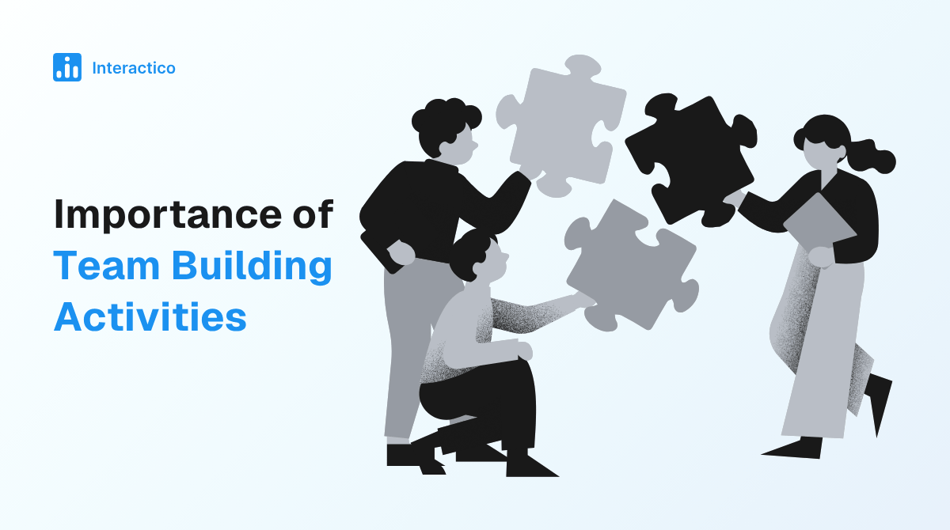
Importance of Team-Building Activities
1. Helps Everyone Communicate Better
These activities help people talk openly and listen to one another. It breaks down walls between coworkers and makes it easier to work together every day. 63% of leaders agree that team-building activities improve communication among employees.
Most collaboration activities and games require team members to communicate well. Take corporate scavenger hunts, for example. What the team members find, and how fast, depends a lot on their ability to communicate efficiently.
2. Builds Trust
When team members do activities together, they learn to trust and rely on one another. This creates a strong bond and a more connected team. As compared to companies with a low level of trust, employees at high-trust companies report 74% less stress, 106% more energy, and 50% higher productivity.
3. Improves Team Performance
High-performing teams don’t just happen. They’re built intentionally. One of the key team-building objectives is to help employees better understand their own strengths and how those strengths complement others on the team. When people recognize what each person brings to the table, collaboration becomes effortless and productivity improves.
In fact, studies show that teams who play to their individual strengths see up to a 19% increase in performance. The right team building experience uncovers those natural talents, helping leaders assign roles that fit and employees feel more confident in their contributions.
4. Encourages New Ideas
Fun and creative activities can help team members think in new ways. These activities spark fresh ideas and help people become better problem-solvers.
The purpose of team building isn’t just to connect people. It’s to spark imagination. When employees feel comfortable expressing themselves, they’re more likely to innovate, experiment, and challenge old ways of thinking. That’s the heart of every forward-thinking workplace.
5. Helps People Adapt and Feel Less Stressed
Team building often involves challenges that help people get better at adapting to change. It also gives them a break from work, which can reduce stress.
The importance of team building in the workplace goes beyond morale; it’s about creating space for open communication and continuous learning. These experiences help employees embrace change rather than resist it, giving them a sense of control and connection when things feel uncertain.
6. Builds a Stronger Company Culture
Doing things together builds shared values and a sense of belonging. This creates a better workplace where people enjoy working. Team-building events provide a space for employees to understand how their organization expects them to behave. On top of that, they reduce toxicity in the work environment and bring everyone on the same page, improving the overall culture.
7. Makes Problem-Solving Easier
Team building challenges encourage employees to approach problems creatively, communicate clearly, and test new strategies in a low-pressure, engaging environment.
These experiences strengthen critical thinking and adaptability: skills that translate directly to the workplace. When employees practice solving puzzles or working through strategy-based activities, they build confidence in their ability to handle real-world challenges together.
8. Shows That Employees Are Valued
When companies plan these events, it shows they care. This makes employees feel appreciated and happier in their jobs.
9. Connects Different Departments
These activities bring people from different parts of the company together. This helps everyone work more smoothly and break down barriers. Building a strong business isn’t just about how team members work within their immediate teams, but also about collaboration with other departments.
10. Helps Discover New Leaders
During team-building exercises, it is possible to identify employees who possess leadership qualities through different activities. For instance, you may observe that certain team members motivate their teammates and oversee the team-building activity. You can take notes on your observations. This can provide valuable insight into an employee’s personality that they may not exhibit in a typical work environment.
11. Connects Everyone, No Matter the Level
These activities include people from all levels and backgrounds. This helps everyone feel included and respected.
12. Boosts Energy and Motivation
A team-building session gives employees a collective vision and a chance to be a part of something bigger than themselves. This helps improve their sense of self and understand the role they play in the grand scheme of things.
13. Helps Keep Good Employees
The importance of team building in the workplace becomes clear when you look at retention. In today’s competitive job market, employees stay where they feel connected, valued, and supported. Team building fosters those feelings by creating trust, belonging, and shared purpose
More than half of employees say they’ve left a job because they didn’t feel appreciated. That’s why it’s essential to create an environment where employees see a future for themselves. Team building helps reduce employee turnover.
14. Makes Handling Conflict Easier
When people from different backgrounds come together, disagreements are inevitable. Now, you can’t prevent conflicts altogether. Plus, not all conflicts are bad. They can often be constructive and valuable to the success of the project at hand.
So the right thing to do is not to avoid conflicts, but rather to help your employees learn how to resolve disagreements amicably. When people understand each other better, it’s easier to work through disagreements calmly and respectfully.
15. Builds Loyalty
Shared team experiences make people feel more loyal to the team and the company.
16. Improves Group Decisions
Working together as a team teaches people to think as a group, leading to smarter choices at work.
17. Supports Health and Well-Being
Physical and fun team activities help people stay active, reduce stress, and feel better overall.
Common Myths About Team Building
Many people misunderstand what team building is really about. It’s not just about playing games or going on retreats. When done right, these activities are a smart strategy to boost productivity, morale, and collaboration. However, several myths prevent companies from making the most of it.
Here are some common team-building myths:
- It’s a waste of time: Some believe it doesn’t add value, but good activities boost morale and productivity.
- It doesn’t impact results: In reality, stronger teams often perform better and solve problems more effectively.
- It’s awkward: When tailored to your team, activities can be natural, fun, and rewarding.
- It must include a big to-do or event: Small, regular efforts often work better than one big event.
- It only happens once: Team building should be ongoing, not just a one-time thing.
- Bigger is better: Quality matters more than size. Even simple activities can have a big impact.
- Teams are easier to manage: Team dynamics can be complex and require active effort to improve.
Types of Corporate Team Building Activities
-
Culinary Team Building
Culinary activities bring teams together through cooking and food challenges. They encourage communication, coordination, and collaboration while working toward a shared goal in a relaxed setting.
-
Game Shows & Trivia
Game shows and trivia formats create high energy and instant engagement. They help teams communicate freely, break barriers, and participate equally in a fun, inclusive way.
-
CSR & Charitable Team Building
CSR activities allow teams to bond while contributing to meaningful causes. Working together for social impact builds trust, purpose, and long-lasting connections beyond work goals.
-
Music Team Building
Music-based activities promote creativity, listening, and teamwork. Through rhythm and collaboration, teams learn to work in harmony without needing prior musical experience.
-
High-Tech Team Building
High-tech programs use AR, VR, or AI-driven challenges to encourage innovation. These experiences engage tech-savvy teams while building problem-solving and collaboration skills.
-
Wellness Team Building
Wellness activities focus on mental and physical well-being. They help teams recharge, reduce stress, and build healthier, more resilient work relationships.
-
Comedy & Improv Team Building
Comedy and improv sessions improve communication and adaptability. Teams learn to listen, build on ideas, and collaborate confidently in a supportive environment.
-
Virtual & Hybrid Experiences
Virtual and hybrid activities keep distributed teams connected. They are designed to ensure equal participation and engagement across remote and in-person settings.
-
Outdoor & Scavenger Hunt Programs
Outdoor activities and scavenger hunts encourage teamwork through movement and exploration. They help teams communicate differently and strengthen leadership skills in dynamic environments.
Boost your team morale with Interactico’s live polls for instant feedback.

Building a strong team is a must for creating strong, connected, and high-performing businesses. By breaking down barriers, encouraging collaboration, and improving morale, team-building activities for work help teams grow together and work smarter. When done regularly and with purpose, these activities can shape a happier workplace and a more successful business. So, whether you’re leading a small team or a large organization, investing in team building is always a step in the right direction.

Anurag Bhagsain is the Founder of Interactico. With a background in SaaS, product development, and automation, he is focused on solving real world problems, especially to make meetings truly interactive. With a love for blogging, he shares practical tips on audience interaction, polls, Q&A, and meeting best practices, turning them into simple, actionable ideas. Off hours, he enjoys coding and gaming.